Become an Apprentice
Start Your Career as a Skilled Electrician
The International Brotherhood of Electrical Workers Local 163 JATC Registered Apprenticeship Program is your gateway to a rewarding career in the electrical industry. Our program combines hands-on training, classroom instruction and comprehensive benefits, setting you up for lifelong success as a highly skilled electrician.
What is a Registered Apprenticeship Program?
A Registered Apprenticeship Program is a proven pathway to a rewarding career in the electrical industry. At the IBEW Local 163 JATC, our apprenticeship program combines paid, on-the-job training with classroom instruction, preparing you to become a highly skilled electrician.
Our program is registered with the U.S. Department of Labor and the Pennsylvania Department of Labor & Industry, ensuring our curriculum meets the highest industry standards.


Earn While You Learn
Starting your career through the IBEW Local 163 JATC means you do not have to choose between earning a living wage and gaining an education. Our apprenticeship program lets you build your skills, your income and your future at the same time.
On-the-Job Experience
As an apprentice, you’ll work for Local 163 signatory contractors alongside experienced journeymen, who will teach you the trade, help you develop your skills and show you how to work safely on the jobsite.
Competitive Pay and Benefits
Apprentices earn a living wage from day one, with scheduled pay increases as they progress through the program. You’ll also receive excellent health insurance and retirement benefits, an overall package that outpaces most non-union opportunities.
No Student Debt
The Earn While You Learn model allows apprentices to gain valuable work experience and skills without the burden of student loans. Plus, you’ll earn college credits that can be applied toward further education. Most first-year journeymen (individuals who complete the Local 163 Registered Apprenticeship Program) earn more than first-year college graduates.
World-Class Training
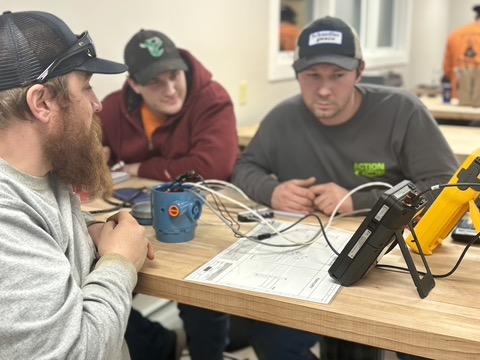
Our comprehensive training program combines hands-on experience and classroom learning, ensuring you gain the skills, knowledge and credentials employers demand.
Classroom and Hands-On Learning
In addition to on-the-job training, apprentices receive Related Technical Instruction (RTI) at our state-of-the-art Nanticoke training facility.
Expert Instructors
Classes are led by Qualified Instructors and Subject Matter Experts, many of whom are trained by the Electrical Training Alliance’s National Training Institute (NTI). Our Instructors bring years of field experience and a commitment to preparing the next generation of IBEW professionals.
Industry Certifications
Apprentices graduate with industry-leading certifications, ready to excel in today’s electrical workforce.
The Benefits of Apprenticeship
Our apprenticeship program is designed to provide not only the technical skills you need, but also the financial stability and professional support that set you up for long-term success. As an apprentice, you’ll gain real-world experience, earn industry-respected credentials and become part of a community that values excellence and teamwork.
Living Wages
All apprentices earn competitive wages, with increases as you advance.
Excellent Benefits
Local 163 apprentices earn great health insurance and retirement benefits.
Teamwork and Pride
You’ll join a team known for hard work, skill and professionalism — and take pride in every job they complete.
Career Path
Completing the IBEW Local 163 registered apprenticeship program opens doors to a stable, high-demand career with opportunities for advancement.
Registered Apprenticeship Differs from Non-Registered Programs
Official Credentials
Only registered apprenticeships provide nationally recognized certificates upon completion.
Regulated Training
Registered programs follow approved curricula and standards. Non-registered programs may lack oversight, leading to gaps in training or safety.
Career Advancement
Men and women who complete a Registered Apprenticeship Program earn journeyman status and the opportunity to advance their careers. Non-union apprenticeship programs may only teach apprentices certain trade skills, keeping them in a perpetual state of apprenticeship, including low pay.